Living in Nanaimo, we know that the beauty of Vancouver Island comes with the reality of wildfire season. While we can't control the weather or the dry conditions, we can control how prepared we.

Dated: August 10 2026
Views: 32
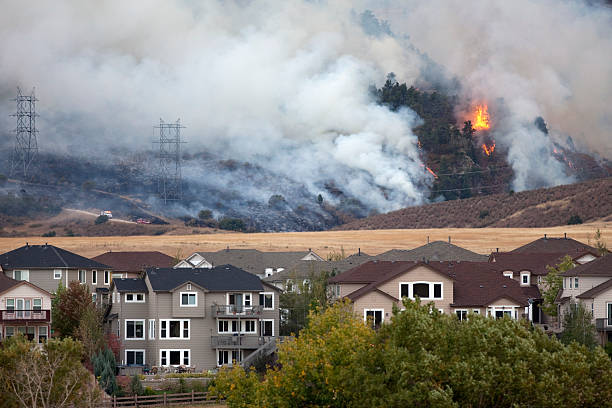
Living in Nanaimo, we know that the beauty of Vancouver Island comes with the reality of wildfire season. While we can't control the weather or the dry conditions, we can control how prepared we are. The question isn't if a wildfire season will be active, but when, and being proactive is the best defence for your home and family.
FireSmart BC provides a clear, research-backed path to protecting your property. The good news is that you don't need to be a firefighter to make a difference; you just need a plan.
The key to wildfire protection lies in understanding your property's Home Ignition Zone (HIZ). This concept divides the area around your home into three zones, with the most critical being the zone closest to your house.
The Immediate Zone (0 – 1.5 metres from your home): This is the most vulnerable area. Your goal is to make it non-combustible. Choose non-combustible building materials like gravel, brick, or concrete for this space, and remove all vegetation and combustible materials (like wood chips) down to mineral soil.
The Intermediate Zone (1.5 – 10 metres from your home): In this zone, you are managing the fire's ability to reach your home. This is where you need to remove combustibles like firewood piles, propane tanks, and even patio furniture. Plant fire-resistant vegetation and avoid woody debris or mulch.
The Extended Zone (10 – 30 metres from your home): Here, the goal is to reduce the intensity of a potential fire. Thin out evergreen trees to create at least 3 metres of horizontal space between the crowns and trim tree limbs to at least 2 metres from the ground. Regularly clean up fallen branches, needles, and dry grass.
FireSmart doesn't have to be complicated or expensive. A few simple chores completed today can make a world of difference. Here are some recommended actions to get started:
Move Combustibles: Store firewood and propane tanks at least 10 metres away from your house. Don't forget to move other items that can easily ignite, like lawn furniture and toys.
Mow Your Lawn: Keep your grass shorter than 10 cm. Dry, long grass is a significant fire hazard.
Trim Trees: Remove any tree limbs that are within 2 metres of the ground to prevent ground fires from climbing up and spreading to your home.
Clean Your Gutters: Gutters filled with dry leaves and pine needles are prime kindling. Clean them regularly and consider installing metal mesh screens to prevent debris from building up.
Protecting your property is only half the battle. You also need a clear plan for you and your family. Here’s how to be ready before an emergency:
Build an Evacuation Plan: Know your escape routes and have a family communication plan. Ensure everyone in your household knows what to do and where to go .
Pack a Grab-and-Go Bag: Assemble a kit with essentials like food, water, first aid supplies, and important documents. Keep it in an easy-to-reach spot so you can leave immediately if needed.
Stay Informed: Register with Emergency Support Services to ensure you have a place to go if you are evacuated. Stay up to date on alerts by monitoring sources like Emergency Info BC and local news.
You don't have to do this alone. Free resources and support are available to help you be FireSmart.
Book a Home Assessment: A FireSmart Coordinator can come to your property and provide a free, personalized home assessment with specific recommendations for your home and property. This assessment could even lead to discounts on your insurance premiums.
Connect with Your Community: Wildfire resilience is a shared effort. Join or start a neighbourhood FireSmart program. Through the Local FireSmart Collective Program, your neighbourhood can get recognized and even receive financial incentives for working together to reduce risk .
Final Thought
Being FireSmart isn't a one-time task; it's a commitment to regular maintenance and staying aware. It's the single most effective way to increase your home's chances of surviving a wildfire, giving you peace of mind and protecting what matters most. As the program says, "Wildfire won't wait for you to make a plan," so take action today .
Disclaimer: This blog post is for informational purposes only and is based on resources from FireSmart BC. Always consult with local fire officials and experts for specific advice on your property.

Real Estate Agent | Specializing in First-Time Home Buyers, Luxury Properties, Single-Family & Multi-Family Homes | Market ExpertI am dedicated to helping clients navigate the Nanaimo, BC market w....
Living in Nanaimo, we know that the beauty of Vancouver Island comes with the reality of wildfire season. While we can't control the weather or the dry conditions, we can control how prepared we.
The Big Real Estate Crossroad Facing Nanaimo HomeownersThinking about renting out your home to wait out the Nanaimo housing market is a thought that crosses the minds of many homeowners when they
Main-level living doesn't have to mean living in a cramped box. Many active adults looking to downsize on Vancouver Island struggle to find a single-level layout that still leaves room for
A Journey Through the Hidden Bays, Sandy Shores, and Secret Lakes of Central Vancouver IslandIn the heat of the summer months when you get hot, there is nothing quite like knowing you can
 Information should be deemed reliable but not guaranteed, all representations are approximate, and individual verification is recommended. Copyright ©2026 All rights reserved.
The trademarks REALTOR®, REALTORS® and the REALTOR® logo are controlled by The Canadian Real Estate Association (CREA) and identify real estate professionals who are members of CREA. The trademarks MLS®, Multiple Listing Service® and the associated logos are owned by CREA and identify the quality of services
provided by real estate professionals who are members of CREA. Used under license.
Show More...
Information should be deemed reliable but not guaranteed, all representations are approximate, and individual verification is recommended. Copyright ©2026 All rights reserved.
The trademarks REALTOR®, REALTORS® and the REALTOR® logo are controlled by The Canadian Real Estate Association (CREA) and identify real estate professionals who are members of CREA. The trademarks MLS®, Multiple Listing Service® and the associated logos are owned by CREA and identify the quality of services
provided by real estate professionals who are members of CREA. Used under license.
Show More...