Living in Nanaimo, we know that the beauty of Vancouver Island comes with the reality of wildfire season. While we can't control the weather or the dry conditions, we can control how prepared we.

Dated: March 13 2024
Views: 132
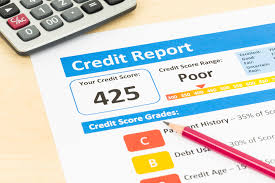
How Your Credit Score Affects You
Your credit score is critical to your financial health, as it rates your creditworthiness. Essentially, your credit score determines how much money you can borrow, what interest rate and how much in fees you'll have to pay. Your credit score is based on your credit report, which includes information about your credit history - your payment history, how much debt you owe, how long you've had credit, the types of credit you have, and how often you apply for credit.
In Canada and the US, most lenders use the FICO credit score system, which ranges from 300 to 900. The higher your credit score, the more likely you will be approved for a mortgage and the better the terms you'll receive.
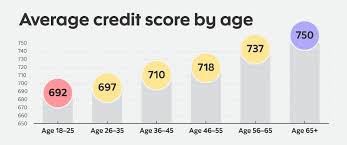
For example, if you have a credit score of 750 or higher, you can get a mortgage with a low interest rate and a small down payment. A lower interest rate means lower monthly payments, which can save you thousands of dollars over the life of your mortgage.
On the other hand, if your credit score is below 600, you may have difficulty getting approved for a mortgage and may be required to make a larger down payment or pay a higher interest rate. A higher interest rate means higher monthly payments, which can make it harder to afford your mortgage payment and other expenses.
Significant Factors Impacting Your Credit Score...
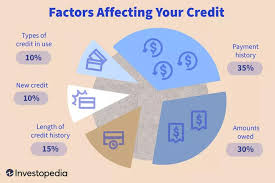
Here are the most important factors affecting your credit score:
#1 Defaulting on a Loan
Defaulting on a loan has the most severe negative impact on your credit score. It means you have failed to repay the loan as agreed, and it can stay on your credit report for up to seven years. A default can significantly reduce your credit score and make it challenging to get approved for credit in the future.
#2 Late Payments
Payment history is the most significant factor determining your credit score. Late and missed payments significantly reduce your credit score. The longer you delay your payments, the more it negatively affects your score. Even one late payment can have a considerable impact on your credit score.
#3 Credit Utilization
Credit utilization is the ratio of outstanding credit card balances to credit limits. A high credit utilization ratio indicates that you are using a significant amount of your available credit, which may suggest that you are overextended and need help to make payments. Keeping your credit utilization ratio below 30% is ideal for maintaining a good credit score.
#4 Credit Applications
When you apply for credit, the lender performs a hard inquiry on your credit report. Too many hard inquiries in a short period can lower your credit score as it suggests you are actively seeking credit and may be at a higher risk of defaulting on your payments.
#5 Credit Accounts
Closing credit accounts also negatively impacts your credit score, especially if you have a long credit history. Creditors prefer to see that you have a lengthy credit history and can manage multiple credit accounts effectively. Closing an account will reduce the average age of your credit accounts, which can harm your credit score.
Maintaining a Healthy Credit Score
Here are some tips to keep your credit score healthy:
Pay your bills on time every month
Keep your credit card balances below 30% of your credit limit.
Don't apply for too much credit. Only apply for credit when you need it.
Apply for credit products with lower interest rates you will likely be approved for (e.g. personal loans)
Check your credit report regularly. Errors on your credit report can hurt your score, so you must check your report regularly and dispute any errors you find.
Build a long credit history. The longer you've had credit, the better it looks to lenders. If you're new to credit, consider getting a secured credit card. With a secured card, you'll need to make a deposit upfront, which is collateral for your credit limit. Making regular payments on a secured card can help build your credit history and improve your score.
Building Up Your Credit Score
Improving your credit score takes time and effort, but because it results in getting the best terms on your mortgage, it is worth it. Here's how you can improve your credit score:
#1 Get a copy of your credit report
The first step to rebuilding your credit score is to get a copy of your credit report. You can request a free copy of your credit report from Equifax or TransUnion in Canada. Review your credit report carefully to identify any errors or inaccuracies that may negatively impact your score. If you find any errors, dispute them with the credit bureau.
#2 Pay down your debts
While having debt - if you are paying it off on time - helps you build your credit score, the amount of debt you have limits the amount you can borrow. If you have high credit card balances or other debts, work on paying them down as quickly as possible. If you're using a significant amount of your available credit, this may suggest that you are overextended and may struggle to make payments. The less debt you have, the better your credit utilization ratio will be, which can help improve your credit score.
#3 Start budgeting to pay your bills on time
Start paying your bills on time with no exceptions. Make this the #1 priority each month. Creating a monthly budget helps you take care of your financial health. You can use a budgeting app or a Google or Excel sheet to plan your expenses.
#4 Seek professional help
If you are struggling to rebuild your credit score, consider seeking professional help from local credit councelor or financial advisor
Credit Counceling Society
The Credit Counselling Society provides financial education through free appointments with our licensed credit counsellors. https://nomoredebts.org/canada-credit-counselling/bc
4 Pillars
My name is Benjy Houser and I'm a debt consolidation specialist based in Nanaimo BC. I've helped hundreds of Nanaimo and Vancouver Island residents with debt. https://www.4pillars.ca/bc/nanaimo/RVLiZ
Harris& Parteners INC
Harris and Partners is a Licensed Insolvency Trustee helping people in Nanaimo with debt solutions & consumer proposals. https://harrisandpartnersinc.com/locations/nanaimo/
They can help you develop a plan to improve your credit score, manage your debts, and create a budget.

Real Estate Agent | Specializing in First-Time Home Buyers, Luxury Properties, Single-Family & Multi-Family Homes | Market ExpertI am dedicated to helping clients navigate the Nanaimo, BC market w....
Living in Nanaimo, we know that the beauty of Vancouver Island comes with the reality of wildfire season. While we can't control the weather or the dry conditions, we can control how prepared we.
The Big Real Estate Crossroad Facing Nanaimo HomeownersThinking about renting out your home to wait out the Nanaimo housing market is a thought that crosses the minds of many homeowners when they
Main-level living doesn't have to mean living in a cramped box. Many active adults looking to downsize on Vancouver Island struggle to find a single-level layout that still leaves room for
A Journey Through the Hidden Bays, Sandy Shores, and Secret Lakes of Central Vancouver IslandIn the heat of the summer months when you get hot, there is nothing quite like knowing you can
 Information should be deemed reliable but not guaranteed, all representations are approximate, and individual verification is recommended. Copyright ©2026 All rights reserved.
The trademarks REALTOR®, REALTORS® and the REALTOR® logo are controlled by The Canadian Real Estate Association (CREA) and identify real estate professionals who are members of CREA. The trademarks MLS®, Multiple Listing Service® and the associated logos are owned by CREA and identify the quality of services
provided by real estate professionals who are members of CREA. Used under license.
Show More...
Information should be deemed reliable but not guaranteed, all representations are approximate, and individual verification is recommended. Copyright ©2026 All rights reserved.
The trademarks REALTOR®, REALTORS® and the REALTOR® logo are controlled by The Canadian Real Estate Association (CREA) and identify real estate professionals who are members of CREA. The trademarks MLS®, Multiple Listing Service® and the associated logos are owned by CREA and identify the quality of services
provided by real estate professionals who are members of CREA. Used under license.
Show More...